
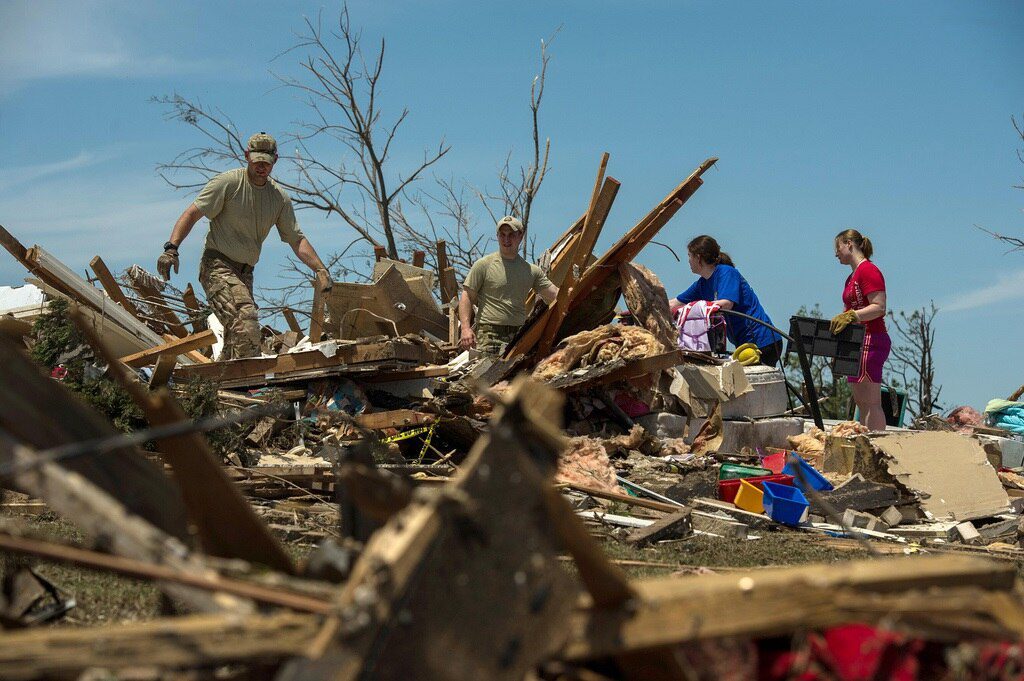
Moore, Oklahoma, has long been a town defined by resilience. Situated in the heart of Tornado Alley, Moore’s tornado history includes some of the most powerful storms on record. In response, the city has developed a robust approach to public safety, combining advanced warning systems, resilient building practices, and a culture of preparedness. Here’s an inside look at how Moore keeps its residents as safe as possible when severe weather strikes.
Outdoor Tornado Warning Sirens
A primary component of Moore’s safety infrastructure is its outdoor warning siren system. The city maintains 44 strategically-placed sirens that ensure ample coverage for outdoor areas. These sirens are designed to alert anyone outside when dangerous weather, especially a tornado, directly threatens the city.
Typically, the sirens are sounded about 15 minutes prior to expected impact, but timing can vary depending on conditions. Each alert lasts for three minutes, and the system can be reactivated multiple times if threats persist.
Moore’s sirens are not just loud — many units also provide live or pre-recorded voice alerts to offer additional information about incoming dangers. Importantly, most sirens operate on battery backup, ensuring they work even during power failures. The city’s Emergency Operations Center (EOC) receives real-time diagnostic updates from each siren, providing constant status monitoring and ensuring a prompt response to any technical issues.
Learn more about the city’s Outdoor Warning System for a comprehensive overview.
Coordination with the National Weather Service and Spotters
Advanced warning relies on more than sirens alone. Moore’s emergency management works closely with the nearby National Weather Service (NWS) office in Norman, responsible for issuing tornado watches and warnings throughout the area. Watches signal that conditions are favorable for severe weather, while warnings confirm a tornado is imminent or occurring.
This partnership is enhanced by networks of trained weather spotters who provide real-time, ground-level reports during storms. Their observations help cross-check radar data and allow emergency officials to make informed decisions about activating local warning systems. By coupling government meteorology with on-the-ground intelligence, Moore achieves faster, more accurate alerts and response.
Expanding Emergency Alerts Beyond Sirens
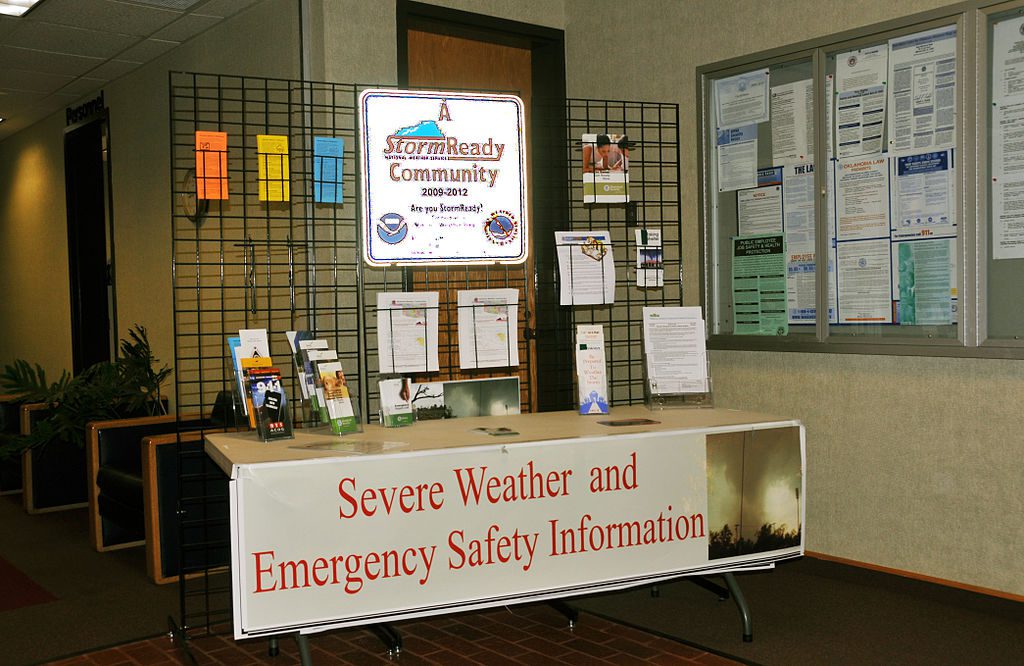
Recognizing that sirens cannot always reach everyone indoors, Moore uses additional alert systems. Emergency information spreads through cable television interruptions, local broadcast media, and especially through NOAA Weather Radios. Residents are urged to use and properly set up NOAA radios to receive immediate tornado alerts directly from the NWS.
For best results, Moore’s emergency management advises layering these sources — using sirens, media, phone alerts, and NOAA radios together ensures as many people as possible receive timely warnings to seek shelter.
Building Codes: Modern Resiliency Built In
After the devastating tornado of 2013, Moore became a national leader in tornado-resistant construction. In 2014, the city implemented building codes requiring that new homes withstand winds up to 135 mph (EF2-strength). These codes mandate hurricane clips, reinforced garage doors, stronger sheathing, and improved anchoring throughout new constructions.
The result is homes that, in many cases, can survive storms that would devastate traditional buildings. Smith, the city’s development director, notes that homes rebuilt to code suffered less damage during subsequent storms compared to older counterparts.
Storm Shelters and Community Safe Rooms
Structural resilience is only one part of staying safe. Moore has dramatically expanded access to FEMA-rated storm shelters — both in public facilities and private homes. Almost every public school in Moore now includes a safe room built to FEMA standards, and many new houses feature underground or above-ground storm shelters. Contractors build storm shelters that exceed federal standards for protection, passing rigorous impact tests to ensure occupant safety.
Emergency Operations: Communication and Response
At the core of all these efforts is the Moore Emergency Operations Center. Staffed and ready during severe weather seasons, the EOC monitors radar, coordinates alert activations, and manages the city’s response. Diagnostic systems on the sirens and redundant communication pathways guarantee Moore’s warning network is both proactive and reliable during storms.
Public outreach encourages residents to “stay weather-aware”—monitor weather forecasts, heed all siren activations, and have a family tornado plan ready during spring’s peak tornado season.
Moore’s Model: A Community Built on Preparedness
The city’s approach serves as a model for other tornado-prone communities. Moore’s commitment to technological investment, rigorous construction standards, and public education has saved lives and mitigated storm damage, even as severe weather remains an ever-present risk.
Staying Safe and Ready in Moore
Moore’s layered tornado warning strategy demonstrates that preparedness saves lives. By combining well-maintained sirens, real-time meteorological data, enhanced construction, and access to certified shelters, the city provides robust protection for its residents.
When tornadoes threaten, Moore proves that proactive systems and an informed community make a world of difference.