
FULLY INSURED • HONEST ASSESSMENT • HASSLE FREE SERVICE
Slab leak repair is about fixing the damaged plumbing once the source has been narrowed down beneath the home in Norman, OK. If water is showing up where it shouldn’t, the next move shouldn’t be tearing into concrete at random. We want to understand where the problem is and what the repair actually calls for.
Once we have that information, we can explain the work in plain language, answer your questions, and go over pricing before you decide what happens next. You’ll know why the repair is being recommended instead of being handed a vague explanation and a bill.


Please fill out the form with your contact details and the type of service you need, and we’ll follow up about scheduling.
Finding the source changes the conversation. Instead of chasing moisture around the house, PlumbWorX can focus on the affected plumbing and what it will take to correct the problem.
The repair can depend on a few practical details:
What We Know | What It Helps Determine |
Where the leak is located | Which part of the plumbing needs work |
Which line is affected | What type of repair may make sense |
How the area can be reached | What access the job may require |
What condition the plumbing is in | Whether the problem looks isolated or broader |
If the source still isn’t clear, slab leak detection can help narrow things down before repair work begins. That distinction matters. Detection tells us where the trouble is coming from. Repair deals with the damaged plumbing itself.
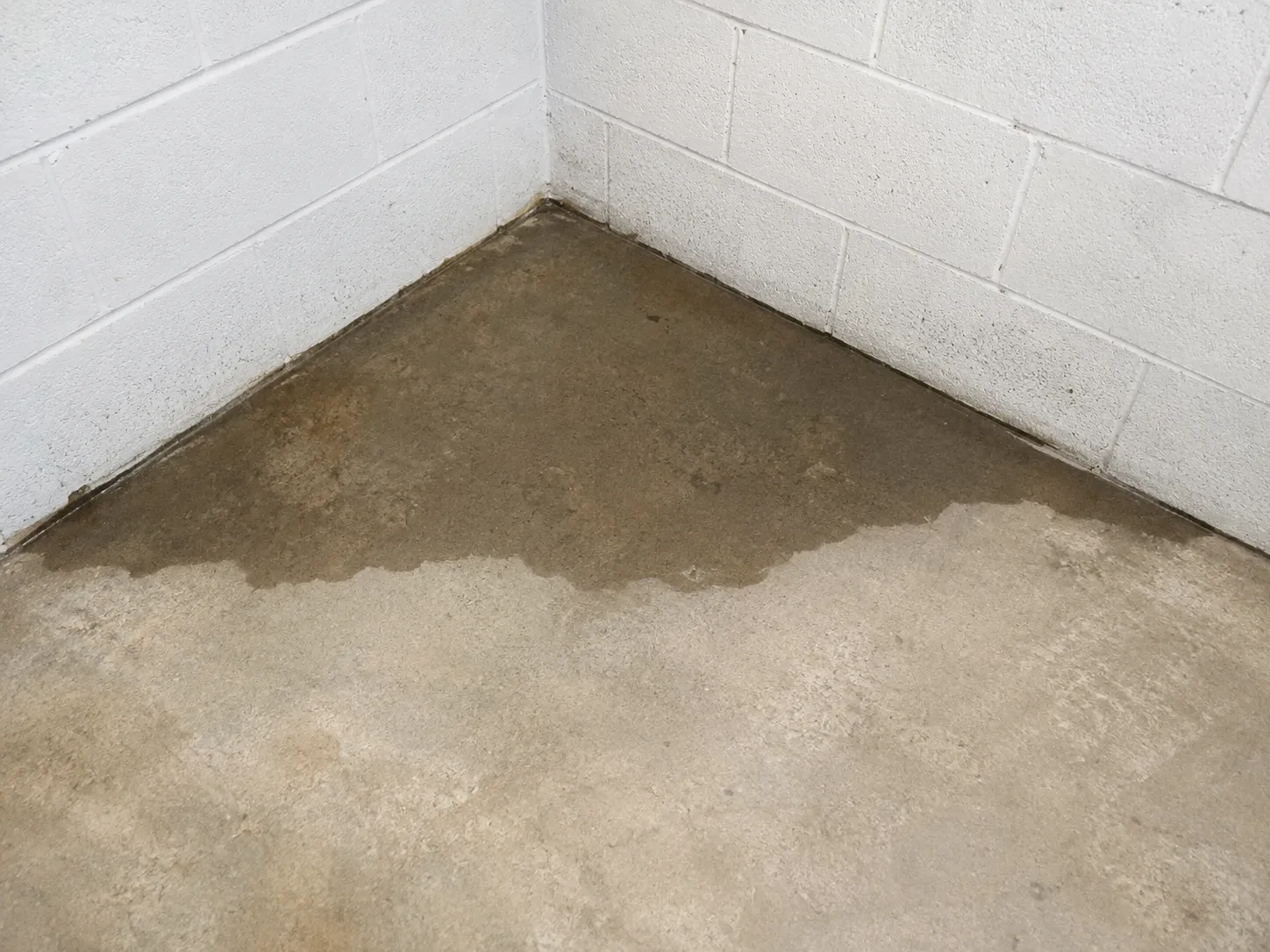
Even after a leak has been located, the way the problem showed up can give us useful context. Maybe one section of flooring kept getting damp. Maybe you heard water when everything was turned off. Maybe your normal water use suddenly stopped matching the bill.
Those details help fill in the story. Things worth mentioning include:
You don’t need to decide which symptom is the most important. Tell us what you’ve been seeing around the house, even if the clues don’t seem connected.

TESTIMONIALS
You should be able to ask how the job works without feeling like you’re slowing anything down. One homeowner specifically called that out after working with us:
“Absolutely awesome guy. Communication was great, responded quickly and came over and finished the job in a timely manner. Had no problem with me asking questions about his process or questions about plumbing in general.”
That’s how we want the conversation to feel. Ask what you want to know, whether it’s about the slab leak, the repair itself, or something else you’ve noticed with the plumbing. Take a look at the full review and more feedback from homeowners who’ve had PlumbWorX out for service.
A hidden leak may be easier to confirm when you look beyond the visible moisture. The City explains that the smaller indicator on an analog water meter can show low water flow, and movement while no water is being used may point to a leak. You can see how the meter works in the City’s water-meter guidance.
The City also recommends checking exposed pipes, listening for running water, and watching the meter when all water outlets are off. Its leak guidance gives you a few simple things to look at before calling.
A meter can tell you water may still be moving. It can’t tell you which buried line needs repair, so that information is one clue rather than the whole answer.
A slab leak may stay hidden for a while, so water-use information can sometimes help you understand when something changed. The City’s MyUtility Customer Portal lets utility users review consumption data, monitor usage trends, set usage thresholds, and receive leak alerts.
That information can be useful, but it doesn’t replace looking at the plumbing. A usage change can tell you something may be happening. It doesn’t identify which line is leaking or tell you how to repair a slab leak.
A leak under concrete can sound complicated, but the conversation around it doesn’t have to be. At PlumbWorX, we keep the job centered on what we can actually see, verify, and explain.
You can expect:
If something about the repair doesn’t make sense, ask. We’ll talk it through with you before moving ahead.

Once the source is known, the job becomes much more focused. You’ll know what we’re working on and why before the repair starts.

Show us where the issue was located and tell us what you’ve noticed around the house.

We look at the affected plumbing, talk through what the job involves, and discuss pricing with you.

Once you’re comfortable moving forward, we complete the repair and clean up the work area.
A service visit is $89, and that amount is waived when we perform the work.
At PlumbWorX, we work on water leaks and other plumbing problems throughout the communities we serve. If you’re nearby but don’t see your city listed, give us a call and ask about your address.
We also serve parts of Oklahoma, Cleveland, and Canadian counties.
A leak under the slab can feel like a big unknown until you know where the water is coming from and what part of the plumbing needs attention. Once that’s clear, you can make a much more informed decision about the repair.
Call PlumbWorX and tell us what’s already been found or what first made you suspect a leak. We’ll pick up from there, explain the work, and give you room to ask questions before anything gets started.
Yes. If you already know where the problem is, tell us what was found when you reach out. We can look at the affected plumbing and talk through what it may take to make the repair. If anything still needs to be confirmed first, we’ll explain that before moving forward.
Anything you already know about the problem helps. That might include:
You don’t need a written report or technical explanation. Just share what you know.
No. The repair depends on where the leak is, which line is affected, and how the plumbing can be accessed. We’ll look at the specific situation before telling you what work makes sense. That way, you aren’t getting a one-size-fits-all answer for a problem that may be different from the next house.
Absolutely. We’ll talk through the work and pricing before you approve it. Call us and ask whatever you need to know about the job before making a decision. You shouldn’t have to agree to work you don’t understand.
That’s okay. Start with what you’ve noticed instead of trying to name the problem yourself. Tell us where the water is showing up, whether the area keeps getting wet, and anything else that seems different. We can use that information to figure out what should be checked next.