
FULLY INSURED • HONEST ASSESSMENT • HASSLE FREE SERVICE
Slab leak repair comes into the picture once there’s good reason to believe a water line beneath or around the concrete foundation is leaking at your property in OKC, OK. At that point, the question shifts from “Where’s the water coming from?” to “What does it take to fix the actual problem?”
We don’t want to treat the first wet spot as the whole story. Water can move before you see it, and the right repair depends on what’s happening with the plumbing below. We’ll look at the situation, explain what the work calls for, and talk through pricing before you decide how to move ahead.


Please fill out the form with your contact details and the type of service you need, and we’ll follow up about scheduling.
Once a leak has been narrowed down, PlumbWorX looks at what needs to be repaired and how the affected plumbing can be reached. That keeps the work focused on the actual line instead of treating moisture on the surface as the problem itself.
A few things can change what the repair involves:
What We Need to Understand | Why It Matters |
Where the leak is located | It tells us which part of the plumbing needs attention |
How the water is showing up | It gives us context about how the problem is behaving |
What part of the line is affected | The repair should address the damaged plumbing |
What access is needed | The location of the line can affect how the work is approached |
If the source hasn’t been confirmed yet, slab leak detection may need to happen before repair work makes sense.
Seeing moisture on a floor or around the foundation can make it tempting to focus on that exact spot. But the place where water becomes visible isn’t always the place where the plumbing failed.
That’s why we look at the leak itself before deciding how to fix a slab leak. The repair should address the damaged line, not simply cover up the evidence that water reached another part of the home.
You might notice:
Those signs tell you something deserves attention. They don’t tell you to start tearing into the concrete on your own.

A hidden leak may be easier to confirm when you look beyond the visible moisture. The City explains that the smaller indicator on an analog water meter can show low water flow, and movement while no water is being used may point to a leak. You can see how the meter works in the City’s water-meter guidance.
The City also recommends checking exposed pipes, listening for running water, and watching the meter when all water outlets are off. Its leak guidance gives you a few simple things to look at before calling.
A meter can tell you water may still be moving. It can’t tell you which buried line needs repair, so that information is one clue rather than the whole answer.

Concrete makes this kind of plumbing problem different from a leak you can see under a sink. At PlumbWorX, we keep the conversation tied to what the plumbing actually needs instead of making the situation sound more complicated than it is.
You can expect:
If something doesn’t make sense, ask us. We’d rather talk it through than have you approve work you don’t understand.
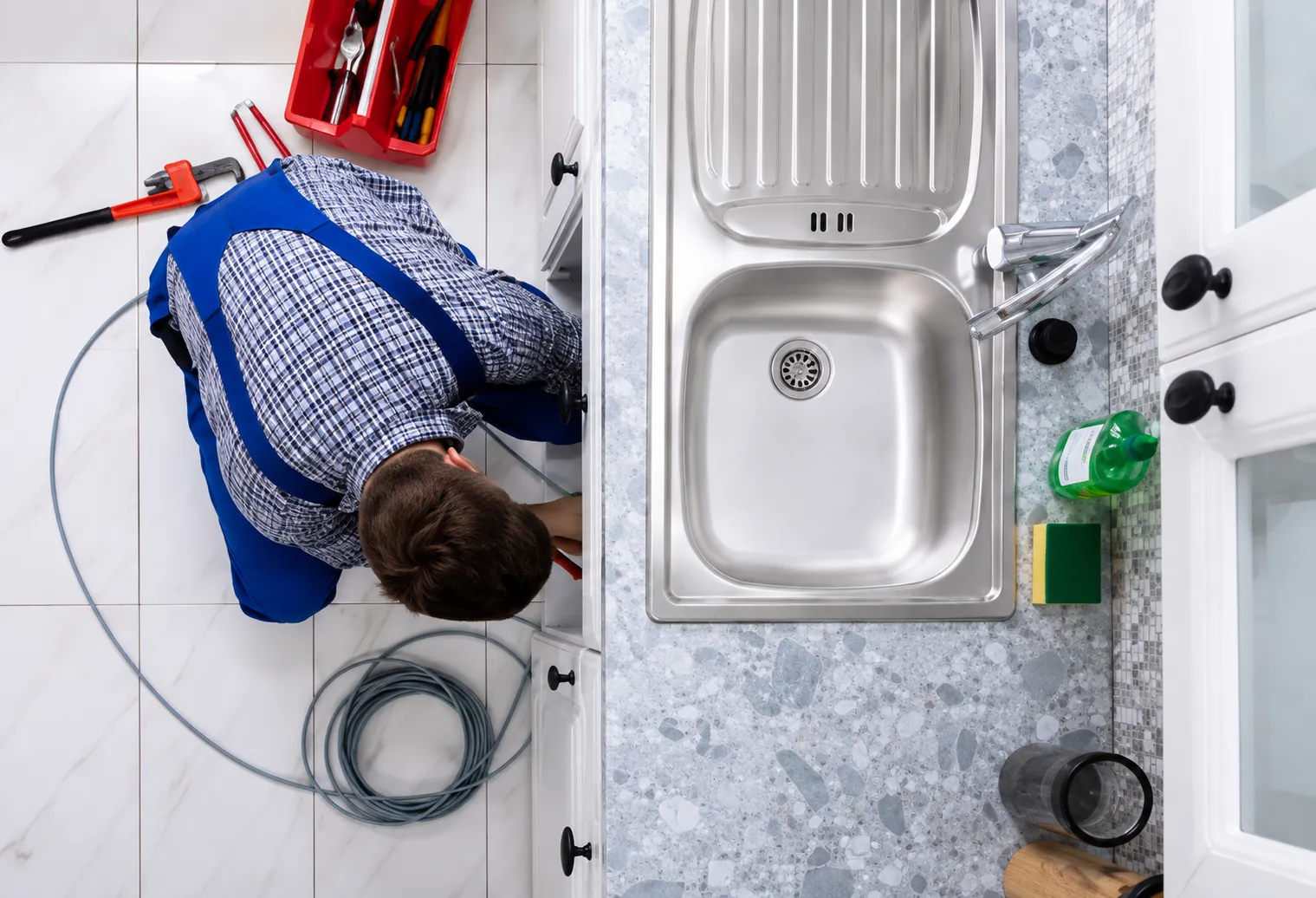
Once a slab leak is on the table, the visit should give you a clear picture of what needs attention. You don’t have to know where the line runs or what part failed before we arrive.

Tell us where you’ve noticed moisture, sounds, water-use changes, or other signs around the property.

We look at the problem, explain what the repair involves, and go over the price before work begins.

We complete the agreed repair and clean up the work area when we’re finished.
A service visit is $89, and that amount is waived when we perform the work.
TESTIMONIALS
Getting straight to work matters, but listening first matters too. PlumbWorX wants to understand what you’ve been experiencing before deciding where the plumbing needs attention.
“The guys showed up very courteous and went right to work. Listened to the problems I have experienced and quickly went to action. The solved my problems in about 30 minutes, Cleaned up and left.”
Read the complete review and browse more feedback from people who’ve had us out for plumbing work.
A slab leak may be the reason you called, but it doesn’t have to be the only thing we talk about. Maybe a drain has been slow, the water heater has been acting differently, or another plumbing issue has been sitting on your list.
Our plumbing services also cover drain cleaning, sewer work, water heaters, septic-related needs, leak detection, and other plumbing repairs. Bring up whatever you’ve noticed. We can look at each concern separately and help you understand what deserves attention.
PlumbWorX handles water-leak and plumbing work throughout the communities we serve. Live nearby but don’t see your city below? Give us a call and we can let you know whether we serve your area.
We also serve parts of Canadian, Cleveland, and Oklahoma counties.
A concrete slab water leak can be hard to make sense of from the surface because the water you see may only be one part of the problem. You don’t have to decide where to open the floor or what kind of repair is needed before someone has looked at the plumbing.
Give PlumbWorX a call and tell us what you’ve been seeing around the house. We’ll look at the problem, explain what the repair involves, and help you decide what makes sense from there.
You may notice moisture with no obvious fixture nearby, unexplained water use, recurring damp areas, or the sound of water when nothing is running. None of those signs proves by itself that the leak is beneath the slab, so the location still needs to be narrowed down before repair work begins.
Not every situation is identical, so we don’t want to tell you what access will be needed before seeing where the problem is. The location of the affected line and what the plumbing needs will shape the repair. We’ll explain the approach before you approve the work.
A few simple observations can help:
You don’t need to investigate beyond what you can safely observe around the home.
It can be one clue. The City notes that an unexpected increase in water use can point to a leak, although changes in normal household use can raise the bill too. Its high-water-bill guidance recommends checking for indoor and outdoor leaks when usage jumps without an obvious explanation.
Absolutely. Call us and describe what you’ve noticed, and we can help you figure out what makes sense to check first. You don’t need to decide that the leak is under the concrete before reaching out.