
Wastewater and plumbing standards from the Oklahoma Department of Environmental Quality (DEQ) are designed to protect groundwater, surface water, and public health by regulating how wastewater is collected, treated, and discharged. These standards affect everything from on‑site septic systems to municipal sewers and influence how plumbers design, install, and repair plumbing systems across the state.
Understanding the basics helps homeowners, business owners, and plumbing professionals work together to stay compliant and avoid costly issues.
Role of the Oklahoma DEQ
The Oklahoma DEQ is the primary state agency responsible for implementing water quality standards and regulating wastewater activities under Oklahoma law and the federal Clean Water Act. DEQ rules in Title 252 of the Oklahoma Administrative Code set out requirements for wastewater permitting, system design, and operator certification.
DEQ also implements Oklahoma’s Water Quality Standards, which define how clean state waters must be to support uses such as drinking water, recreation, and aquatic life. These standards guide the limits placed on wastewater discharges and the level of treatment required at facilities and on‑site systems.

Wastewater Permits and Authorizations
Oklahoma law makes it unlawful to construct, install, operate, or close many types of wastewater or sludge treatment systems without appropriate water quality permits or authorizations. This applies to industrial surface impoundments, industrial septic tanks, and other treatment systems under DEQ jurisdiction.
For on‑site sewage treatment systems serving homes or small public facilities, DEQ requires either an authorization to construct under a general permit or an individual permit for alternative systems, depending on the design and complexity of the system. Installers must submit specific DEQ forms and fees before work can begin.
On‑Site Sewage Treatment System Standards
Most rural homes and small businesses in Oklahoma that are not connected to a municipal sewer rely on on‑site wastewater systems regulated under Chapter 252:641. DEQ recognizes several system types, including conventional septic systems, low‑pressure dosing systems, evapotranspiration/absorption systems, aerobic treatment units, and lagoons. Each type has design criteria for tank size, soil conditions, and dispersal fields to ensure proper treatment and dispersal of wastewater.
Before installation, the system design must match the site’s soil characteristics and loading rate, and DEQ or a certified professional must approve the plan. The goal is to prevent untreated or partially treated wastewater from surfacing, backing up into buildings, or contaminating groundwater and nearby wells.
Inspection and Installer Responsibilities
All new installations, modifications, or repairs of on‑site sewage treatment systems in Oklahoma must be inspected and approved before the system is backfilled or put into service. The installer is responsible for requesting required DEQ inspections or, if authorized, performing self‑inspection as a DEQ‑certified installer.
DEQ further requires that every on‑site system be installed either by a DEQ Certified Installer or under DEQ oversight, and that the installer obtain an Authorization to Construct prior to installation. This inspection and authorization process helps ensure systems are built according to code and function as intended over the long term.
Municipal and Industrial Wastewater Requirements
Larger municipal and industrial wastewater facilities are typically regulated under the Oklahoma Pollutant Discharge Elimination System (OPDES), which mirrors federal NPDES requirements. Facilities must apply for permits that set limits on what can be discharged, require monitoring, and often mandate specific treatment technologies.
For certain industrial activities that use total‑retention surface impoundments or tank systems, DEQ may issue a general wastewater disposal permit, along with a site‑specific authorization that prohibits any discharge to waters of the state. Facilities must follow a written management and operation plan addressing maintenance, sludge removal, spill prevention, and protective measures for liners and impoundments.
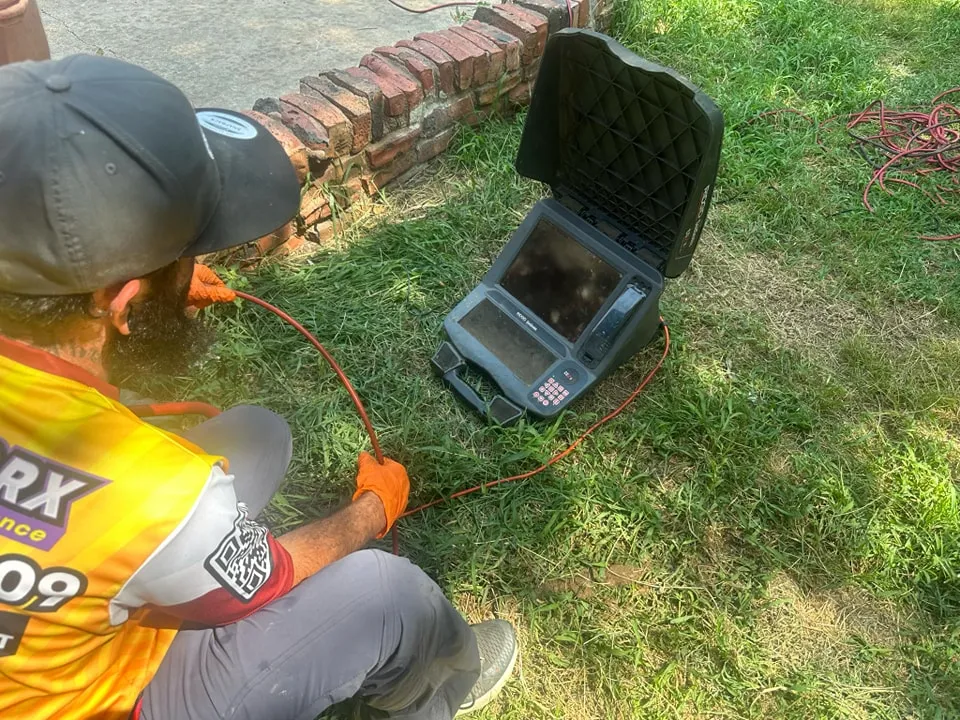
Plumbing Design and Cross‑Connection Concerns
While DEQ does not replace local plumbing codes, its rules and guidance influence plumbing design where water and sewer infrastructure interact. For example, when water lines are installed close to sanitary sewers, Oklahoma design criteria require that DEQ standards govern separation distances to protect drinking water from contamination.
In public water supply planning, DEQ‑linked guidance emphasizes compliance with Title 252 drinking water construction and operation standards, and encourages high‑efficiency plumbing fixtures that reduce overall water and wastewater loads on systems. These measures help utilities maintain water quality while managing capacity and long‑term infrastructure costs.
Homeowner and Business Owner Responsibilities
Property owners share responsibility with certified installers and operators for keeping wastewater systems in compliance. For on‑site systems, owners must hire DEQ‑certified installers, obtain necessary authorizations, allow inspections, and maintain systems according to manufacturer and regulatory guidelines. Grant and remediation programs administered in the state also require proof of inspection, maintenance agreements for advanced systems, and documentation of DEQ approvals.
Ignoring wastewater standards can lead to system failures, health hazards, and enforcement actions, as well as expensive repairs or replacements. Staying proactive with regular maintenance, prompt repairs, and professional plumbing support helps protect both the property and the surrounding environment.
Wastewater‑Conscious Plumbing in Moore, OK
For homeowners and businesses in Moore, OK, partnering with a local plumber who understands Oklahoma DEQ wastewater and plumbing standards is essential. This expertise helps keep septic systems, sewer connections, and interior plumbing functioning reliably.
Plumbworx LLC can provide practical, code‑aware solutions to meet these needs. Our services support both everyday comfort and the long‑term protection of your property and community.
If you have questions about wastewater, reach out today to connect with a knowledgeable local plumber.