
Choosing between sump pump repair vs. replacement usually depends on what failed, the age of the pump, and whether the unit can still move water reliably. A stuck float switch or blocked discharge line may be repairable. A failed motor, heavy corrosion, repeated breakdowns, or an undersized pump may point toward replacement.
The key is to identify the cause before deciding. In this blog, we’ll cover the main signs a sump pump is failing, common repairable problems, how long sump pumps last, basic troubleshooting, and when replacement may make more sense.
How Does a Sump Pump Work?
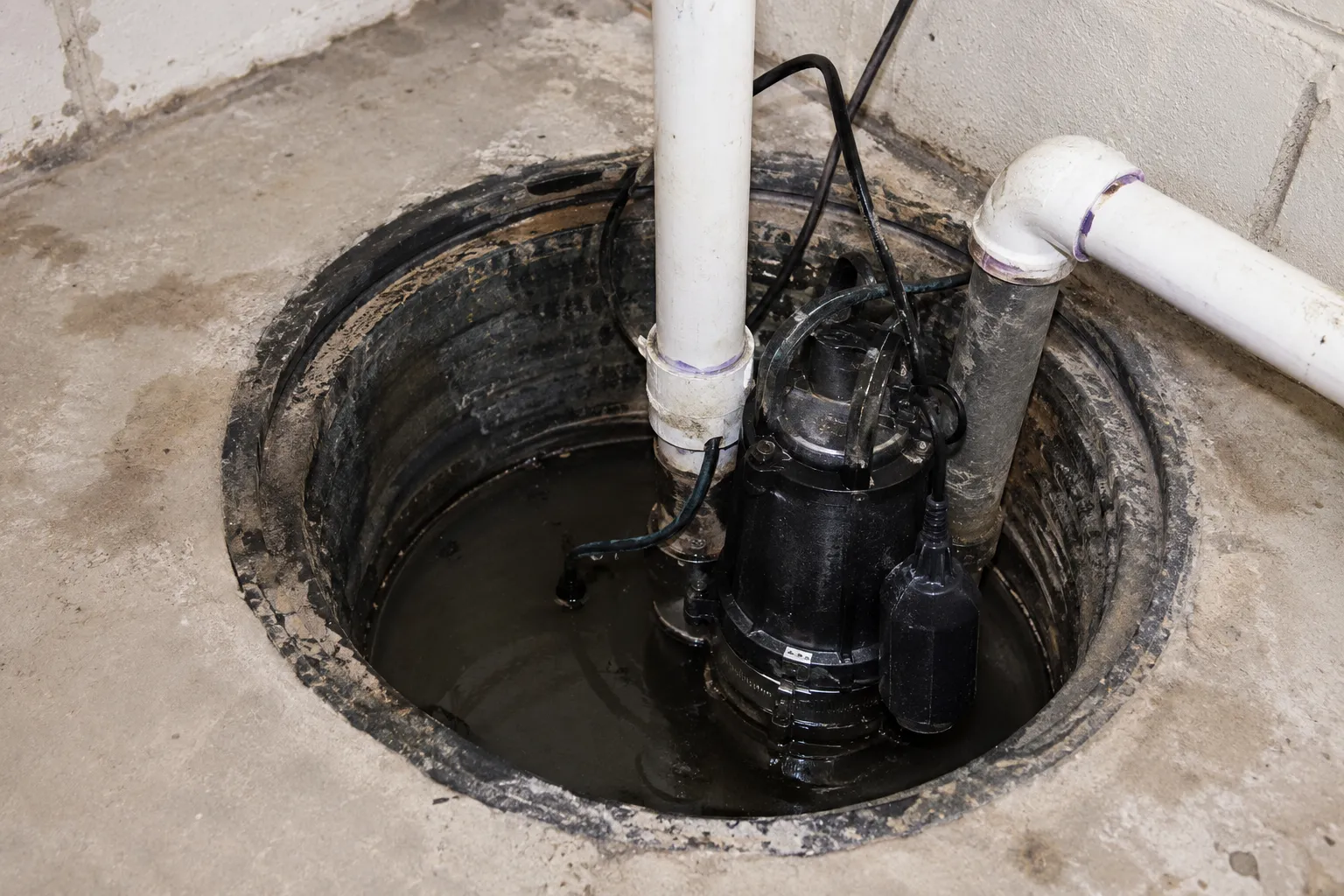
A sump pump sits in a basin where groundwater or drainage water collects. As the water level rises, a float switch activates the pump, which pushes the water through a discharge line and away from the home.
A check valve helps stop discharged water from flowing back into the pit. Zoeller explains that sump-pump check valves are designed to prevent backflow in the discharge line. If the float, pump motor, intake, check valve, discharge line, or power supply fails, the system may stop working correctly.
Signs Your Sump Pump May Need Repair
Some problems involve one part of the system rather than the entire pump.
Possible repairable symptoms include:
- The pump does not start: A stuck or poorly positioned float switch may prevent activation.
- The pump runs but removes little water: A clogged intake or restricted discharge line may limit flow.
- The pump cycles frequently: Short cycling can be related to the float, check valve, basin setup, or returning water.
- Water flows back into the pit: The check valve may not be working correctly.
- The pump makes unusual noises: Debris, loose parts, or mechanical wear can cause rattling or vibration.
Zoeller notes that the float switch’s position and movement can affect pump operation. If the cause is not obvious, an expert offering residential plumbing services can inspect the full system.
Signs It May Be Time to Replace the Pump
Replacement may be more practical when the pump itself can no longer perform reliably or when problems keep returning.
Common warning signs include:
- A failed motor
- Frequent repairs or shutdowns
- Heavy rust or corrosion
- Persistent vibration or mechanical noise
- A pump that cannot keep up with incoming water
- An incorrectly sized pump
- Several problems appearing on an older unit
A single switch problem may only need repair. A worn motor combined with corrosion and repeated failures may make replacement the better option.
How Long Do Sump Pumps Last?
A typical sump pump may last around 7 to 10 years when properly installed and used under normal conditions. Actual lifespan varies based on how often the pump runs, water conditions, maintenance, and installation.
A few factors can shorten or extend service life:
- Frequent operation: Pumps that run often may wear faster.
- Debris in the basin: Sediment can interfere with moving parts and water flow.
- Heavy demand: A pump that regularly works near its capacity may experience more strain.
- Maintenance: Routine testing and keeping the basin clear can help catch problems early.
Age should be considered alongside performance. An older pump that still operates correctly may not need immediate replacement, while a newer unit with repeated failures may need attention sooner.
Common Sump Pump Problems
Good sump pump troubleshooting means checking more than the motor. Common problems include:
- Float-switch problems: The float may stick or fail to move freely.
- Clogged intake screens: Mud, silt, and debris can restrict water flow.
- Blocked or frozen discharge lines: Water cannot leave the basin properly.
- Check-valve problems: Water may flow back toward the sump pit.
- Motor failure: The pump may stop operating completely.
- Continuous operation: Heavy inflow, a switch problem, or poor pump capacity may keep it running.
- Short cycling: The pump may start and stop repeatedly because of float, check-valve, or drainage issues.
Experts recommend keeping the pump and pit clear of debris that could cause clogging.
Sump Pump Repair vs. Replacement
The easiest way to compare repair and replacement is to look at the problem, age, condition, and reliability of the pump.
| Factor | Repair may make sense when | Replacement may make sense when |
| Problem | A switch, valve, clog, or other individual part has failed | The motor or major pump components have failed |
| Age | The pump is relatively young and otherwise reliable | The pump is near or beyond its expected lifespan |
| Condition | The housing and major parts are in good shape | There is significant corrosion, wear, or damage |
| Performance | The pump works normally once the problem is corrected | The pump repeatedly struggles to keep up |
| Repair history | This is an isolated issue | Repairs are becoming frequent |
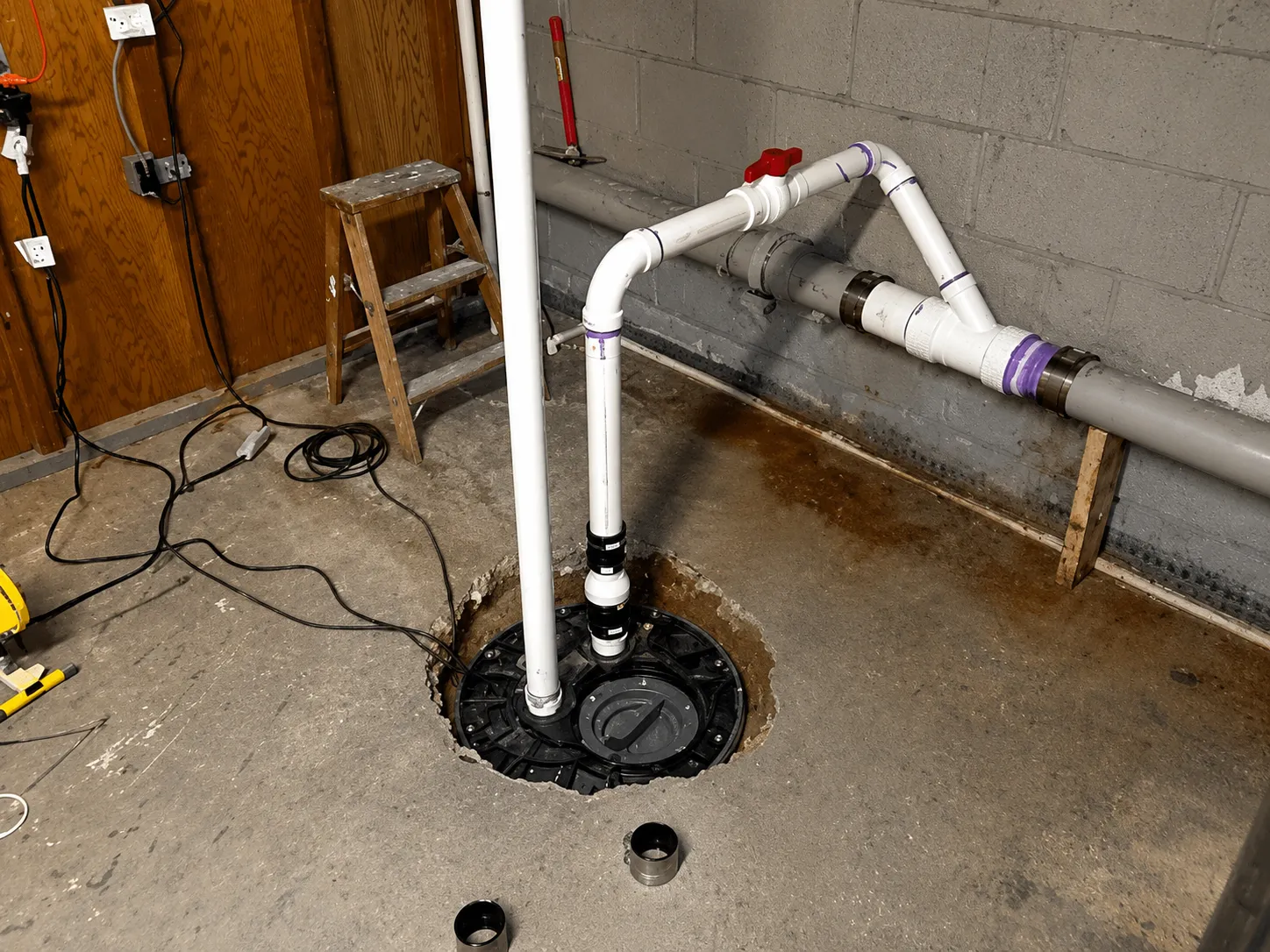
An inspection can help determine whether one component needs attention or the entire unit is becoming unreliable. Sump pump installation and repair should be based on the cause of the problem, not simply the fact that the pump stopped working.
Can You Test a Sump Pump Yourself?
Yes. A basic test can show whether the pump activates and moves water.
- Confirm that the pump has power.
- Check the basin for debris.
- Make sure the float moves freely.
- Slowly pour water into the basin.
- Watch whether the pump turns on, removes the water, and shuts off normally.
Do not continue testing if you notice damaged electrical cords or another electrical hazard. Check that the float can move freely and that the basin is clear of obvious debris before testing the pump.
If the pump fails the test or behaves unpredictably, schedule sump pump service before depending on it during heavy rain.
What Affects the Cost of Sump Pump Service?
Service costs depend on what needs to be repaired or replaced.
Important factors include:
- The failed component
- Pump type and capacity
- Basin accessibility
- Discharge-line condition
- Check-valve replacement
- Electrical issues
- Whether the existing pump is correctly sized
- Whether backup power is being added
A float-switch repair and a complete pump replacement involve very different work, so diagnosis should come before estimating the appropriate solution.
How to Reduce the Risk of Pump Failure
Regular checks can catch problems before the pump is needed during a storm.
Keep the basin clear of debris, make sure the float moves freely, inspect the discharge line, listen for new noises, and test the pump before heavy-rain seasons. State Farm recommends checking a sump pump at least annually and making sure the pit and discharge pipe are clear.
Backup power may also help if the primary pump loses electricity. Battery backup systems are temporary backup when the primary pump cannot operate normally.
Know When Your Sump Pump Needs More Than a Repair
The right choice between repair and replacement depends on the cause of the failure and whether the pump can still protect the home reliably. Float switches, intake clogs, check valves, and discharge problems may be repairable, while motor failure, serious corrosion, poor capacity, or repeated breakdowns may point toward replacement.
If your sump pump runs constantly, cycles repeatedly, makes unusual noises, or fails a basic test, have the system inspected before the next period of heavy rain. PlumbWorX can help determine whether repair or replacement is appropriate for your home in Moore, OK.
Sump Pump FAQs
1. Why is my sump pump running constantly?
A sump pump may run constantly because water is entering the basin quickly, the float switch is stuck, the pump is undersized, or discharged water is flowing back toward the pit. If it rarely shuts off, the full system should be checked rather than assuming the motor is the only problem.
2. Why does my sump pump turn on and off every few minutes?
Frequent on-and-off operation is known as short cycling. Possible causes include:
- A poorly positioned or stuck float switch
- A check valve allowing water to flow backward
- A basin that fills very quickly
- A pump or switch setup that causes short operating cycles
Repeated short cycling should be investigated because it may increase wear on the pump.
3. Can a frozen discharge line cause sump pump problems?
Yes. If the discharge line freezes or becomes blocked, water cannot leave the basin properly. The pump may continue trying to move water against the restriction, which can reduce performance and place extra strain on the system.
4. Is rust on a sump pump a sign it needs replacement?
Not always. Minor surface rust does not automatically mean the pump has failed. However, significant corrosion combined with leaks, unusual noises, poor pumping performance, or repeated problems is a reason to have the unit inspected. If you are unsure whether the pump is still working properly, call PlumbWorX to have the system checked before the next heavy rain.
5. Should I replace a sump pump just because it is 10 years old?
Not automatically. Age is only one part of the decision. However, because experts note that a typical properly installed sump pump may last about 7 to 10 years, an older unit that is also noisy, corroded, frequently repaired, or struggling to keep up deserves closer evaluation.